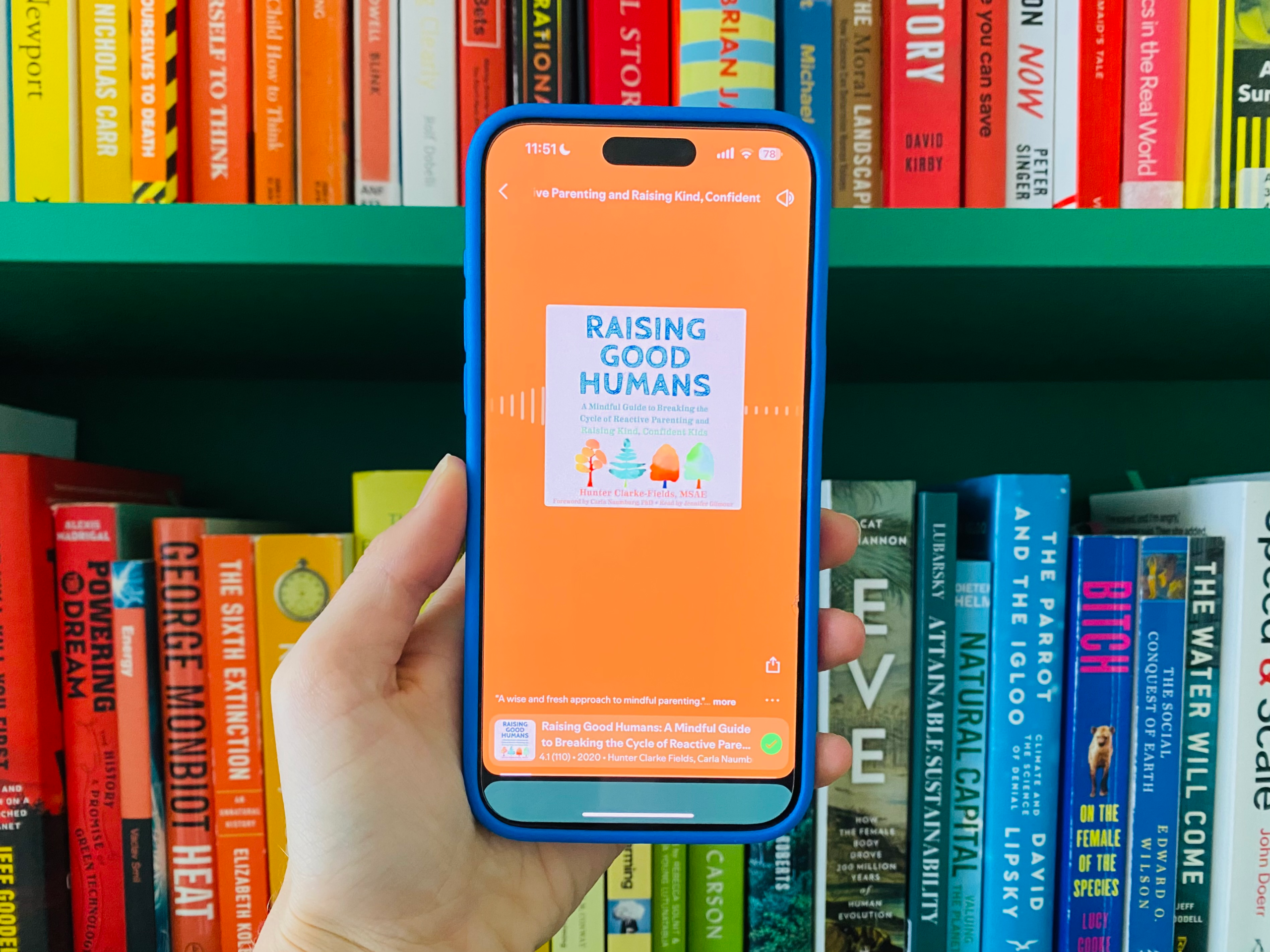
As I wait for my much-awaited family to someday start, which would probably be easier if my eggs could get through my fallopian tubes, it feels as though I am filling the endless series of long, hot days with reading. Books, gym, work, repeat. It feels like I’m on a quest to better understand the world before I have to explain it to freshly arrived humans, but with every book comes, frequently more questions rather than more answers.
Occasionally I pick up an actual Parenting book with a capital ‘P’, or read a memoir like The Pursuit of Motherhood. This might be maybe my third of fourth capital-P book, coming after reading Good Inside (cheesy, American, but also a real paradigm shift) a year or two ago.
This book shared many of the same elements that made Good Inside a little frustrating, but focused more on parents (read: mothers) than children. I spent the first half of the book rolling my eyes so hard they nearly popped out of my head, but then spent the second half frantically pausing the audio in order to take notes.
So, let’s get the eye-rolling stuff out of the way:
I wanted a discussion of how to raise children with particular moral standards or values, but this is not what I got. The first half of this book basically just criticises mothers (there is no talk of fathers) for being too stressed and taking it out on their children. Instead, mothers need to calm down, and practice a thousand different ‘mindfulness’ trainings and journaling 4-6 times per week. They should also remember to sleep 8+ hours a night, hit the gym daily, and see their friends weekly. All of this just feels like more work for the overly stressed mother. Where is the advice on toxic societal expectations, lazy husbands, impossible working-mother demands? Nowhere, it seems. If it wasn’t for the non-stop mentions of ‘mindfulness’, I would assume the first half of this book came straight out of the 1950s.
At some point, the book miraculously turned a corner. Here we got into the practical strategies of what you can actually do in the moment, with your children, to ‘raise good humans’. This includes advice like:
- Being wary of punishment, which teaches children that the consequences of, for example, hitting someone, are that they get punished, rather than that the person they hit gets hurt (I find this fascinating), and encourages them to evade detection rather than change behaviours.
- Your child doing something you don’t like, like leaving their toys on the floor, is technically a ‘you’ problem — it doesn’t bother them. Rather than try to make it a ‘them’ problem, which doesn’t work, lean into the fact that it’s a ‘you’ problem. Tell your child why it affects you — for example, that when you see toys everywhere, it means you personally can’t relax and enjoy the living room, and it makes you stressed and your neck hurt. I would never have thought to do this, but I’m fascinated by this approach.
- A cute idea to write down a child’s needs (as opposed to solutions, which are typically framed as ‘wants’, i.e. “I want a smartphone”), on big paper with big pens, even if they can’t read. The act of sitting down with your child and writing out their feelings and underlying desires is validating and can lead to more productive conversations.
All of these ideas and more will be far more useful (or perhaps totally useless) once I actually have children to practise on, but until then, I enjoyed learning about this more empathy-encouraging approach to parenthood (once I got past the initial eye-rolling).